Bosch Brake Discs: An In-Depth Analysis of User Experiences and Technical Considerations
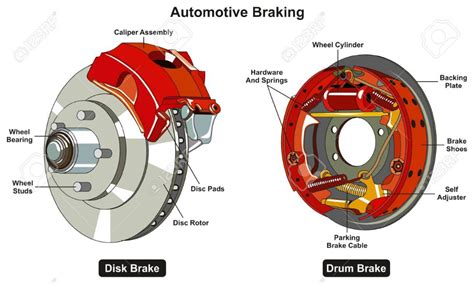
The braking system of any vehicle is paramount to its safety, and the components that bear the brunt of this critical function are the brake discs and pads. When it comes to replacement, a multitude of brands vie for attention, each promising optimal performance and durability. This article delves into user experiences and expert insights regarding Bosch brake discs, alongside a comparative analysis of other popular brands like ATE, Brembo, and Ferodo, to help vehicle owners make informed decisions.
The Dilemma of Choosing Brake Components: User Experiences and Brand Comparisons
The decision of which brake pads and discs to choose is a recurring one for car owners, especially when facing a necessary replacement. For a Volvo S60 MY2013, the owner is contemplating between ATE, Bosch, Brembo, and Ferodo. This scenario highlights a common quandary: the balance between cost and perceived quality.
One user recounts their experience with a Volvo S60. After two sets of original Volvo pads lasting 40,000 km and 50,000 km respectively, they opted for Brembo. These Brembo pads have now accumulated 82,000 km, but with a notable drawback: a persistent slight noise during braking from the outset. This observation raises questions about the trade-offs between longevity and acoustic comfort.
Another perspective comes from an owner of a similar S60 MY2013 who expressed surprise at the need to replace rear discs so soon. Their experience, however, paints a different picture. Having purchased the car with 54,000 km, they discovered the brake pads were significantly worn, likely never having been replaced. After an additional 17,000 km, the rear discs were found to be scored. This owner emphasizes a very smooth driving style, predominantly highway use, and a proactive approach to braking, utilizing engine braking extensively. This suggests that driving habits can play a significant role in the lifespan of brake components, potentially explaining the discrepancy in wear rates observed by different owners.
The Longevity of Brake Discs: Exceptional Cases and Driving Habits
The perceived lifespan of brake discs can vary dramatically, leading to some exceptional cases that challenge conventional expectations. One S60 owner reports that their rear discs are still the originals, having covered an astonishing 415,000 kilometers. While they have been slightly resurfaced to eliminate the wear lip, they remain within acceptable measurement limits. Similarly, another S60 owner (2.5T model with 220,000 km) is still running original rear discs and pads. Their front pads are replaced every 100,000 km, attributed to a preference for avoiding urban traffic and a habit of anticipating traffic flow, thus minimizing brake usage.
These instances suggest that for drivers with a gentle driving style, particularly those who prioritize smooth deceleration and utilize engine braking, the longevity of brake components can be significantly extended. The question of whether it is worthwhile to invest in premium or high-performance brake pads, such as ceramic ones that can cost nearly double, becomes more nuanced when considering these long-term experiences. For normal driving conditions, a substantial expenditure might not necessarily translate into a proportionally longer service life or a superior braking experience.
Bosch Brake Components: Mixed Experiences and Brand Reputation
Bosch is a widely recognized brand in the automotive aftermarket, often associated with quality and reliability. However, user experiences with Bosch brake discs and pads can be varied. One user shared their experience of fitting both Bosch discs and pads (front and rear) and subsequently encountering vibrations after a short period. The resolution to this issue was not detailed, but the mention of vibrations is a significant concern, as it can compromise braking performance and driver comfort.
In contrast, another user reported fitting Girling front pads and Bosch rear pads at Feu Vert and experiencing "zero problems." This positive outcome, coupled with the general reputation of Bosch, leads this user to believe that Bosch components are unlikely to cause issues. They even suggest that Bosch is a brand that "everyone knows" and is more likely to deliver positive results.
Exploring Alternatives: ATE, Brembo, Ferodo, and Valeo
The market offers a range of reputable brands beyond Bosch. ATE is mentioned as potentially being the original equipment manufacturer (OEM) for Volvo, with a set of front, rear pads, and wear sensors priced at approximately €135 when fitted by the owner. Valeo is presented as a more budget-friendly option, costing around €100 for a similar set, while Bendix is also listed as an alternative.
Brembo, while known for its high-performance offerings, has also received mixed reviews for its standard products. One user mentions that a fellow car enthusiast, MarcosC4, reportedly warped new Brembo discs, specifically the perforated ones purchased as part of a kit with pads. This experience leads to the observation that while Brembo excels in high-end and racing applications, their more standard product lines might be priced based on brand recognition rather than superior quality. The comment "Brembo en alta gama y competición es la repera… pagas la marca más que la calidad" (Brembo is the bee's knees in high-end and competition… you pay for the brand more than the quality) encapsulates this sentiment.
Valeo, a more economical choice, is also mentioned. One user replaced noisy pads on an older 850 with inexpensive Valeo pads. While the noise was reduced, it wasn't entirely eliminated, and the performance was described as "neither better nor worse." A positive note was that these Valeo pads produced significantly less wheel rim dust.
Understanding Brake Disc Wear: Specifications and Risks
The wear limits of brake discs are a critical aspect of their maintenance and replacement cycle. A common point of discussion is the official wear specifications provided by manufacturers. For instance, a wear limit of 2 mm for discs is considered by some to be excessively conservative, suggesting that discs are being replaced prematurely. Conversely, exceeding 3.34 mm of wear is seen as approaching the wear indicators.
The question arises regarding the risks associated with driving with worn brake discs. There's a concern about potential loss of braking efficiency, especially during critical braking situations. However, another perspective suggests that the primary risk might be damage to other components, such as wheel bearings or brake calipers, rather than an immediate and catastrophic failure of the braking system itself.
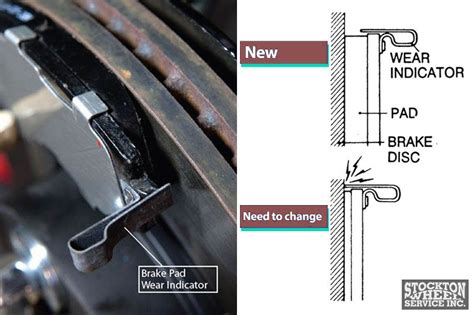
The concept of "wear indicators" on brake discs is also clarified. These are typically "rebates" or grooves visible on the edge of the disc. Exceeding these indicators suggests that the braking performance may start to become less reliable.
Material Science and Braking Performance: Optimizing Disc and Pad Combinations
The material composition of brake discs and pads plays a crucial role in their performance. For normal driving conditions, a logical approach suggested is to use discs made from a particularly hard steel alloy, combined with reasonably soft brake pads. This combination aims to balance disc durability with the ability of the pads to effectively grip and dissipate heat.
The discussion also touches upon the thickness of brake discs. For example, some discs are noted to have a thickness of 1.67 mm. The relationship between disc width and diameter is also brought up; a width of 22 mm might correspond to a 266 mm diameter disc, while a 26 mm width could indicate a 283 mm diameter disc. However, it is strongly advised to verify these measurements directly, as catalog specifications or workshop manuals might not always be accurate for all vehicle variations, especially for newer models. Measuring the disc diameter or its width directly is recommended for certainty.
The Importance of Fluid and Routine Maintenance
Beyond the discs and pads, the brake fluid is another vital component of the braking system. The replacement of brake fluid is often recommended every two years, a guideline that some consider conservative, much like the wear limits for discs and pads. Services for brake fluid replacement can vary in price, with some providers offering more competitive rates than others.
The conversation also extends to other vehicle maintenance aspects, such as the coolant. One user suggests that when changing brake fluid at a service center like Norauto, it might be cost-effective to also consider replacing the coolant and performing a radiator flush, as these services are often offered at a good price and are advisable to be done every two years.
Navigating the Aftermarket: Disc Sizes and Potential Pitfalls
When purchasing brake components from online retailers like Oscaro, it's crucial to be aware of potential discrepancies. One user highlights that while Oscaro's specifications for a Citroen C4 1.6i might list a disc diameter of 283 mm, some vehicles might actually be equipped with smaller 266 mm diameter discs. This underscores the importance of confirming the correct disc size for your specific vehicle model and year. Direct measurement of the existing disc diameter or width is the most reliable method to ensure compatibility. Even between seemingly similar models (e.g., 1.6 petrol vs. 1.6 diesel with ABS and ESP), there can be variations in brake component specifications.
Conclusion: Informed Choices for Safer Braking
The selection of brake discs and pads involves a complex interplay of factors, including brand reputation, user experiences, driving habits, cost, and technical specifications. While brands like Bosch and Brembo are well-established, user feedback indicates that their performance can vary across their product ranges. ATE and Ferodo also present viable options, and more budget-friendly brands like Valeo can be suitable for less demanding driving conditions.
Ultimately, understanding your vehicle's specific requirements, considering your driving style, and conducting thorough research are key to making an informed decision. Paying attention to wear indicators, ensuring correct component sizing, and maintaining the entire braking system, including the brake fluid, will contribute to optimal safety and performance.
Choose the right Brake Pad! | SCIENCE GARAGE
tags: #discos #de #freno #bosch #opiniones